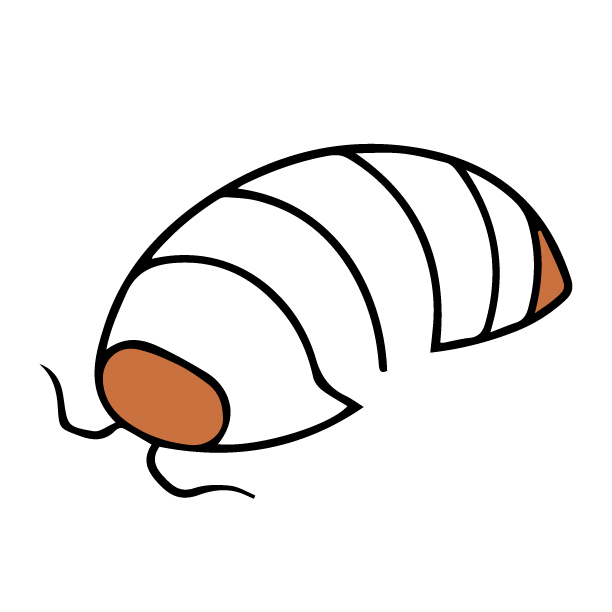
Southeast Asia (Thailand, Vietnam, Malaysia limestone caves)
Cubaris Isopod Care Guide
A complete, accurate care guide for Cubaris isopods in Malaysia — the cave-dwelling showpiece genus that needs high humidity, calcium-rich substrate and patience.
Cubaris Isopod Care Guide
Cubaris is the showcase genus of the modern isopod hobby — striking patterns, distinctive shells and the slow, deliberate movement that makes them so rewarding to watch. Popular lineages include Cubaris sp. "Rubber Ducky", "Panda King" and "Red Edge". Many originate from limestone cave systems across Thailand, Vietnam and Malaysia, and that habitat drives every part of their husbandry.
Cubaris are not a beginner isopod. They are slower to breed and less forgiving of poor conditions than Mediterranean clean-up crews, but with the right setup they thrive for years.
Quick reference
| Parameter | Recommendation |
|---|---|
| Origin | Southeast Asian limestone caves |
| Temperature | 21–27 °C (room temperature in most of Malaysia is ideal) |
| Humidity | High — a damp majority with a drier, well-ventilated side |
| Substrate | Neutral-to-alkaline, calcium-rich; avoid acidic peat |
| Difficulty | Intermediate |
| Breeding pace | Slow — broods of 2–15 mancae, often after months of acclimation |
Enclosure & ventilation
Cubaris need high humidity with airflow — stagnant, wet air causes mould and colony crashes. Use a container with cross-ventilation (vents on opposite sides) so air moves without drying everything out.
- Provide deep substrate (6–10 cm) so the colony can burrow to find its preferred moisture level.
- Add plenty of leaf litter, rotten hardwood and cork bark for hiding and grazing.
- Keep a moisture gradient: dampen one end and let the other stay drier.
Substrate & the calcium requirement
This is where most Cubaris keepers go wrong. Cave species evolved on limestone, so they need neutral-to-alkaline, calcium-rich substrate.
- Base the substrate on a bioactive mix and add crushed limestone.
- Keep cuttlebone or limestone always available — Cubaris need far more calcium than typical isopods. Calcium-deficient animals fail their moults and stop breeding.
- Do not use acidic peat moss — it is wrong for cave-origin species.
- Maintain the substrate with top-ups; never fully replace it. Replacing it destroys the microbial ecosystem the colony depends on.
Humidity & watering
Maintain moisture by misting one side and topping up the substrate — skip the water dish, which is a drowning risk and unnecessary when the substrate holds moisture. Aim for a consistently damp (not waterlogged) majority with a drier corner.
Feeding
Cubaris graze continuously, so you rarely need to "feed" on a fixed schedule.
- Foundation: leaf litter and decaying hardwood, always available.
- Fresh food (weekly): small amounts of vegetables such as zucchini, squash or cucumber. Remove uneaten portions within 48–72 hours.
- Protein (small, weekly): fish flakes, dried shrimp or similar.
- Calcium: cuttlebone/limestone, permanently available.
Breeding
Cubaris reproduce by internal brooding — females carry embryos in a marsupium for roughly 4–6 weeks before releasing live mancae. Expect a slow pace: some lineages such as "Panda King" may take 3–5 months to settle before you see offspring. Start with a group of at least 10 animals for the best chance of a stable colony, keep conditions stable, and be patient.
Common mistakes to avoid
- Using acidic peat instead of a calcium-rich, neutral substrate.
- Letting the enclosure become wet and stagnant — always pair humidity with ventilation.
- Under-supplying calcium, leading to failed moults.
- Replacing (rather than topping up) the substrate.
- Adding a water dish.
Get the cave conditions right — humidity with airflow, calcium everywhere, patience — and Cubaris become one of the most rewarding isopods you can keep in Malaysia.