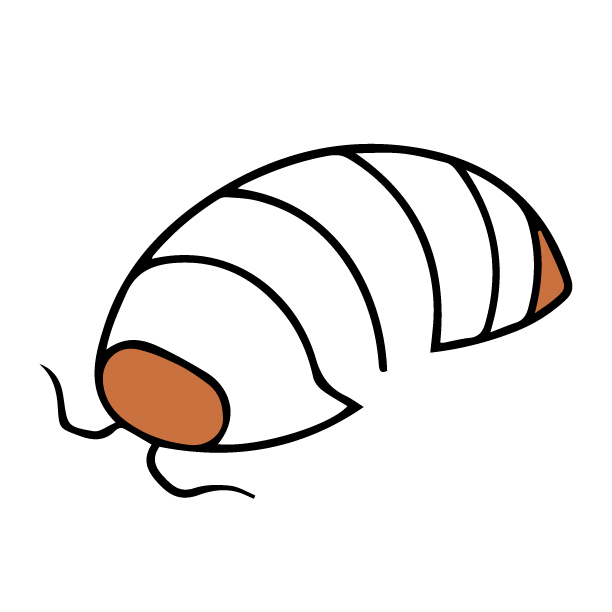
Southeast Asia (cave-adapted)
Troglodillo Isopod Care Guide
Care guide for Troglodillo isopods — cave-adapted species (e.g. 'Camouflage', 'Sunset') that need stable temperatures, high humidity with airflow, and a dark, naturalistic setup.
Troglodillo Isopod Care Guide
Troglodillo is a genus of cave-adapted isopods (the name shares its root with troglobite, "cave dweller") prized for lineages such as "Camouflage" and "Sunset". They thrive in dark, humid and above all stable environments, spending most of their time hidden within substrate and shelters. That makes them a specialist genus best suited to keepers who enjoy replicating naturalistic, cave-like conditions.
Quick reference
| Parameter | Recommendation |
|---|---|
| Origin | Southeast Asia (cave-adapted) |
| Temperature | Stable 20–24 °C — intolerant of fluctuations |
| Humidity | Consistently high, balanced with airflow |
| Ventilation | Present but gentle — avoid stagnant air |
| Difficulty | Advanced |
| Behaviour | Secretive, fossorial — stays hidden |
Behaviour & habitat needs
Troglodillo reflect the stable, humid conditions of cave ecosystems. Unlike surface-active species, they prefer to remain hidden and burrow, so a good setup gives them darkness, cover and a substrate they can disappear into. Do not expect them to be out on display.
Enclosure setup
Aim to mimic a stable, cave-like microclimate:
- Provide deep substrate and abundant shelter — cork bark, deadwood and thick leaf litter.
- Keep the enclosure out of direct light and away from heat sources.
- Ensure gentle ventilation so humidity stays high without the air going stagnant.
Temperature
Troglodillo prefer stable temperatures between 20 °C and 24 °C and are less tolerant of fluctuations than hardier genera. Keep the enclosure away from heat sources and areas with rapid temperature swings — in warm Malaysian conditions a cool, shaded room or climate control helps hold the range.
Humidity & moisture
These isopods require consistently high humidity, but it must be balanced with airflow to avoid stagnant conditions. Stability is more important than frequent misting — aim for steady moisture rather than repeated wet/dry cycles.
Feeding
Troglodillo feed on decaying organic matter and do best on a consistent, natural diet.
- Foundation: leaf litter and decaying wood, always available.
- Supplements: occasional soft vegetables and small amounts of protein.
- Calcium: cuttlebone or limestone available for healthy moults.
- Maintaining a constant food source is key to long-term success.
Troglodillo vs other genera
Compared with hardy Mediterranean Porcellio or forgiving Nesodillo, Troglodillo are far more specialised: they demand stability, darkness and steady high humidity, and they hide rather than roam. They reward the effort with genuinely unusual, cave-adapted animals.
Keys to success
- Hold a stable 20–24 °C — avoid swings.
- Pair high humidity with gentle airflow.
- Provide darkness, depth and cover.
- Keep a constant, natural food supply.
Recreate a calm, dark, stable cave and Troglodillo become a standout specimen for the dedicated keeper.